Spring in Cibolo means storms. Sitting on the edge of the Hill Country in Guadalupe County, the town catches its share of hail, straight-line wind, and the odd tornado warning, and the big live oaks, pecans, and cedar elms that shade the older yards pay the price. The morning after a rough night, a lot of driveways around town look the same: a pile of downed limbs, a section of fence flat on the ground, and a yard you cannot walk through. Here is how to handle it.
Check for hazards before you touch anything
Before you start dragging branches, walk the yard and look up. The most dangerous thing after a storm is not on the ground, it is the limb that broke but did not fall, hanging in the canopy waiting to come down. Keep people and cars out from under hangers until they are clear. And if any branch is touching a power line, or a line is down in the debris, stay well back and call the utility. That is not a junk-removal job or a do-it-yourself one.
Sort the pile as you clear it
Storm debris is rarely just branches. As you work, it helps to keep a few things separate:
- Clean green waste: limbs, branches, and brush with no nails or hardware, which can be mulched or composted.
- Fencing and lumber: blown-down fence panels, posts, and old decking, which are not green waste.
- Mixed debris: shingles, insulation, and anything with metal or hardware in it.
Keeping the clean brush separate matters, because that is the part that does not have to go to the landfill.
What the green-waste cart will not take
The city green-waste cart is fine for a normal week of yard trimmings, but a storm blows right past it. Whole limbs are too long, the volume is too much, and fencing and lumber are not allowed in it at all. You can spend a month cutting a big pile down into cart-sized pieces, a few bags at a time, or you can have the whole thing hauled at once. For anything past a couple of cans' worth, one yard waste removal haul is usually the saner call.
Do not let it sit
It is tempting to leave a storm pile for later, but debris sitting in the yard causes its own problems. Fresh-cut wood and brush draw insects. A pile against the house is a fire and pest risk. Wet fencing and lumber start to rot and warp. And in a neighborhood with an HOA, a pile at the curb for weeks can earn a notice. Clearing it in the first few days after a storm saves you the second headache.
Junk removal is not tree service
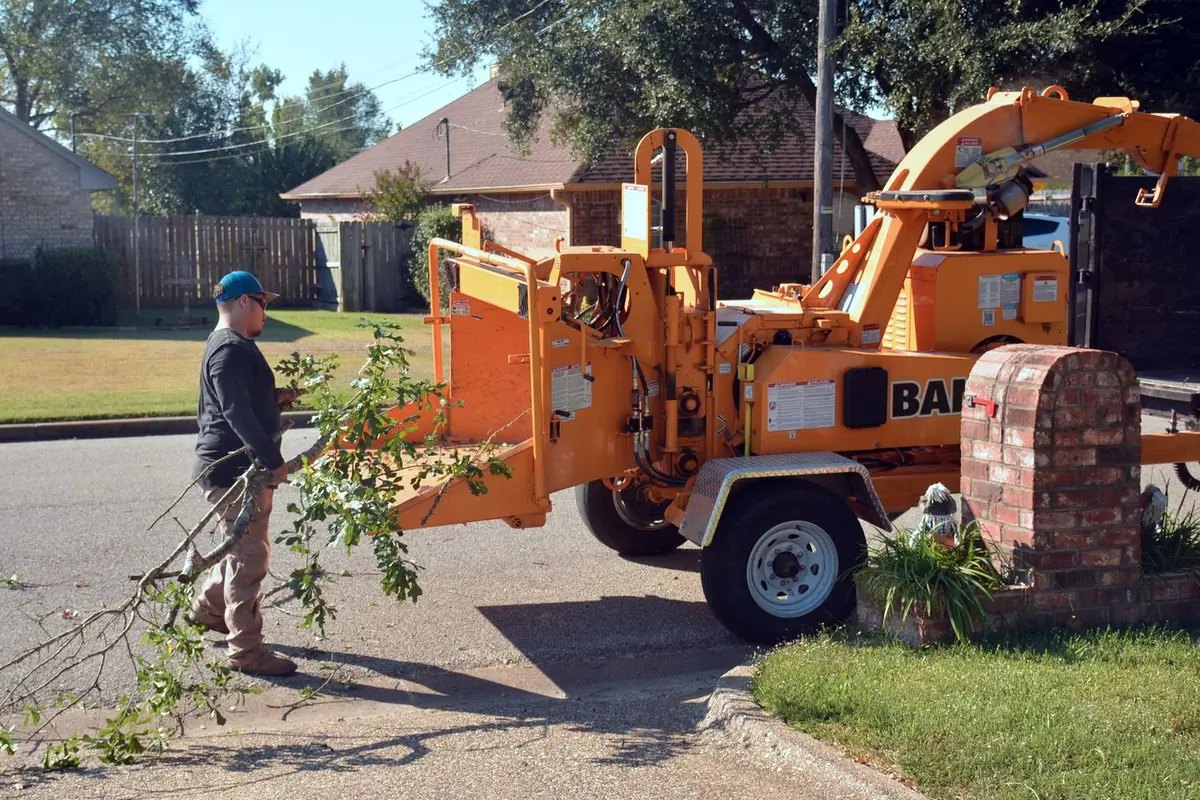
One thing worth being clear on: hauling storm debris and taking down trees are two different jobs. If a tree is still standing but damaged, or a big limb is still attached and needs cutting, that is work for a tree service with the gear and training for it. Once the wood is on the ground and cut into pieces you want gone, that is where a debris haul comes in. We clear the pile a storm leaves behind, we just do not do the climbing and cutting of a live tree.
Getting the yard back
After a bad storm the goal is simple: get the yard usable again so life gets back to normal. Once any hazards are handled, gather the debris where a truck can reach it, and get the whole pile, limbs, brush, and busted fence, hauled in one visit. It beats living around a debris pile for a month, and it gets the clean green waste on its way to mulch instead of the landfill.